

What to Expect in a Teletherapy Session
Expectations for the First Teletherapy Session
Meeting with a therapist online can feel unfamiliar at first. Teletherapy is a private, secure way to get mental health support without leaving home. You still work one-on-one with a trained professional, talking through your concerns, just like in an office visit. The difference is you use video, phone, or even secure messaging for your sessions.
It’s normal to feel unsure or nervous before your first teletherapy appointment. Many people have questions about how it all works and what they’ll be expected to do. The good news is that once you get started, the process feels more natural with each visit. Teletherapy is designed to be easy, flexible, and as supportive as in-person care.
You can expect a focus on comfort and privacy. Therapists help you find ways to feel at ease, answer questions, and set goals together. This approach gives you steady support, meeting your mental health needs wherever you feel safest.
How Teletherapy Works
Teletherapy works much like meeting with a therapist face-to-face, but you connect from home. This approach is simple and secure, giving you the freedom to talk to your therapist in a way that fits your life. Let’s look at the key details that make teletherapy accessible and safe for everyone.

Technology Used for Teletherapy
Therapists and clients usually connect through a secure video call, much like talking to family over Zoom or FaceTime. Some services also offer phone calls or text-based chats for those who prefer not to use video.
- Video platforms: HIPAA-compliant tools such as Zoom for Healthcare, Doxy.me, or VSee make sessions private and safe.
- Phone sessions: These work well if you have a slow internet connection or feel more comfortable on the phone.
- Messaging/chat: Some therapists offer secure chat for quick check-ins or ongoing support, especially for people who find texting more natural.
To join a session, all you need is a device like a smartphone, laptop, or tablet and a stable internet connection. The therapist will send a private link or give you instructions before your meeting.
Common Platforms and How They Work
Most teletherapy platforms are designed for ease of use, and many require just a click to join the session. The process often looks like this:
- Schedule your appointment through the therapist’s website or app.
- Receive an email or text with a secure link.
- Click the link at your scheduled time and enter the virtual “waiting room.”
- Start your session once the therapist joins.
For those who want more details about different platforms and their features, this guide on what teletherapy is and how it works can be helpful.
Session Length and What to Expect
Teletherapy sessions are generally the same length as those in an office setting. Most last 45 to 60 minutes. Shorter sessions might be available for check-ins or certain types of therapy.
- The therapist will start by making sure your connection is clear.
- You’ll discuss your goals and concerns, just like an in-person visit.
- At the end, you’ll review progress and set any plans for next time.
Types of Therapy Available
Teletherapy covers many styles and needs. You can find help for almost any situation, including:
- Individual therapy: One-on-one support to talk about personal struggles or mental health concerns.
- Couples therapy: Focused sessions for partners who want to improve their relationship.
- Family therapy: Meetings for families to work through issues together.
- Group therapy: Group sessions with others who share similar challenges, like anxiety or parenting.
Providers match the type of therapy to your needs, whether you’re coping with stress, depression, or life transitions. More details about the different options are explored in this resource on understanding teletherapy.
Privacy and Security
Privacy is a top priority. Teletherapy platforms use strong encryption and secure logins to keep your conversations safe. Therapists must follow HIPAA rules, which protect your health information. Avoiding public Wi-Fi and using a private room helps make sure your session stays confidential.
- Encryption: All video and messages are scrambled, so others can’t access them.
- HIPAA compliance: Only approved tools that meet strict privacy standards are used.
- Confidential setting: Your therapist will suggest ways to protect your own privacy at home.
You can feel confident that teletherapy works hard to protect your privacy, just like any in-person meeting. For extra details, read about privacy and safety in teletherapy sessions from this source on how teletherapy is used in practice.
By keeping things simple and secure, teletherapy makes it easier to get help when and where you need it.
Preparing for Your First Session
Getting ready for your first teletherapy session sets the tone for a positive experience. Taking small steps to prepare helps you feel more comfortable, more present, and focused. With just a bit of planning—on both the technical side and your personal preparation—you can ease any nerves and make the most of your time with your therapist.
Setting Up Your Space
Comfort and privacy matter a lot in therapy. Choose a spot where you feel safe, where you can speak freely without distractions. This could be a bedroom, a home office, or any place that gives you a sense of calm. Make sure the area is quiet, with low chances of people walking in or background noise. For most people, keeping things tidy and comfortable makes it easier to open up.
Simple steps to improve your setup include:
- Check your lighting so your face is visible to your therapist; soft, natural light works well.
- Close doors and windows to block out noise.
- Have headphones nearby for clearer sound and more privacy.
- Bring something comforting, like a favorite blanket, mug, or even a pet, if that helps soothe nerves.
For more ideas on setting up your space and optimizing comfort, visit this collection of tips for a safe virtual therapy space.
Double-Check Your Technology
Start by making sure your device—laptop, tablet, or phone—is charged and updated. Log in a few minutes early to test your internet connection, camera, and microphone. Most teletherapy platforms have a link to check video and audio before the call begins.
It’s helpful to keep a backup plan handy. If your internet goes out, know how to call your therapist or message them another way. Having a phone nearby can be reassuring if you run into issues.
Here’s a short checklist for tech readiness:
- Device is fully charged or plugged in
- Stable internet connection
- Working camera and microphone
- Login details or the session link a few minutes before your appointment
- Phone number for your therapist or their office
You can find step-by-step guidance in this first teletherapy session prep guide.
Review Any Paperwork
Before your first session, your therapist may send forms or questionnaires. These often cover topics like consent, confidentiality, and goals for therapy. Filling these out ahead of time saves you stress and lets the session focus on you, not on paperwork.
Common documents to review might include:
- Consent forms for treatment and teletherapy
- Questionnaires on symptoms and background
- Policies about privacy, payments, and cancellations
If you aren’t sure about something, jot it down so you can ask your therapist right at the start.
Reflect on Your Goals and Needs
Before your meeting, think about what led you to seek therapy. It’s normal to feel unsure, but even a few notes about what you want to talk about, what feels hardest lately, or what you hope will change can help your therapist understand your starting point.
Consider these prompts as you prepare:
- What has been on your mind most lately?
- When do you feel your best or your worst?
- Are there certain events or patterns you’d like to understand or change?
Taking time to reflect helps both you and your therapist focus the session from the very start. Some people keep notes on their phone or write them down ahead of time.
You can see additional ways to get mentally ready for therapy in this resource about preparing for successful teletherapy sessions.
Give Yourself a Moment Before You Start
Block off a little extra time, about 10-15 minutes, right before your appointment. Use it to gather your thoughts, grab water or tea, and settle into your space. Even sitting quietly or taking a few slow breaths can ease stress before you log in.
A calm transition from everyday activities to therapy helps you show up more fully for yourself. Small steps can make all the difference in setting the best tone for your first session.
What Happens During a Typical Teletherapy Session
Stepping into a teletherapy session for the first time can bring up many questions. While you might picture an in-person meeting across a cozy office, online therapy shares a similar sense of structure, support, and privacy—only you’re logging in from your own space. Understanding the natural flow of a typical session can help you settle in and get the most from each appointment.
Settling In and Starting the Conversation
Your session usually begins with a simple, warm check-in. As you log into the video call or pick up the phone, your therapist greets you by name. This small connection can put you at ease right away. You might talk briefly about your day or any immediate concerns, just to settle in.
Next, your therapist may ask how you’ve been feeling since your last meeting. This check-in helps both of you gauge your current mood and needs. Early on, you’ll probably spend a few minutes going over the session’s goals. Sometimes these are set together at the beginning, or you might reflect on something discussed previously.
- The therapist may ask:
- “What would you like to focus on today?”
- “Have there been any changes or challenges since our last session?”
Agreeing on the direction for the session creates a safe, focused space. Even if you arrive feeling scattered, your therapist will gently help guide the conversation. For first-time clients, the opening moments also cover ground rules and privacy reminders. This helps set clear boundaries and build comfort in your virtual therapy room.
For more details on what the start of a teletherapy visit feels like, take a look at this resource on what to expect in your first teletherapy visit.
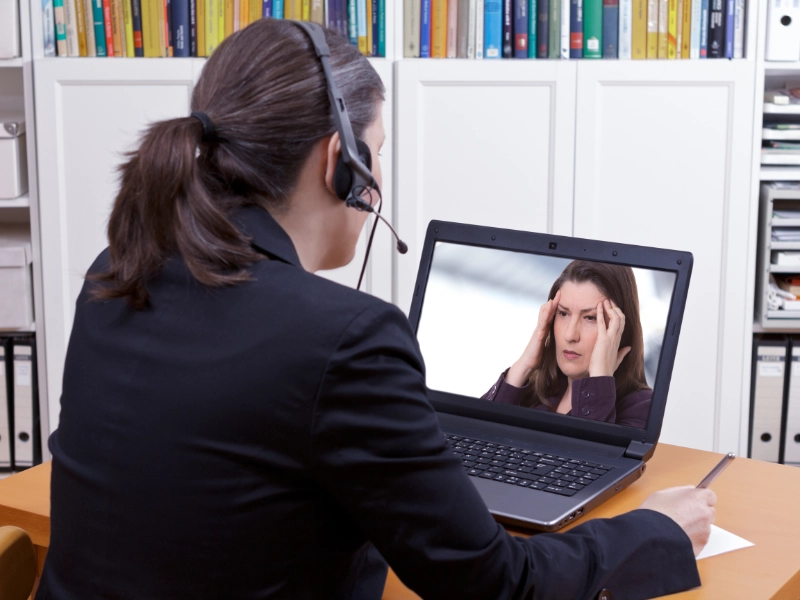
Therapeutic Activities and Dialogue
Once settled in, sessions center on conversation and active listening. Your therapist may ask questions to better understand your thoughts, feelings, or behavior patterns. You’re encouraged to share honestly—there’s no judgment here, only support.
Therapists often use a mix of:
- Open-ended questions to keep you talking, like “Can you tell me more about that?”
- Gentle prompts if you feel stuck or unsure what to say
- Reflective listening, where your therapist repeats back ideas to clarify understanding
The main topics might include:
- Current stressors or symptoms
- Progress on previous goals or “homework”
- How certain events affected your mood or choices
Depending on your needs, you might engage in simple activities or exercises:
- Working through thought worksheets together
- Practicing breathing or mindfulness techniques on screen
- Reviewing helpful resources shared by the therapist
Some therapists screen-share documents or use interactive tools, making remote sessions as engaging as in-person ones. For families or children, playful exercises like drawing or storytelling are common. For more examples, see these teletherapy activities that therapists use to support different goals.
Most important, therapy is confidential. Your honesty helps the process, and your therapist works to make the space as safe and accepting as possible.
Wrapping Up and Next Steps
As the session nears its end, your therapist will guide you toward closure so you don’t feel rushed or cut off. This winding-down time helps you process what you’ve discussed and make sure you leave the meeting grounded.
Typical wrap-up steps include:
- Recapping the main topics and any insights or “aha” moments.
- Setting practical goals or “homework,” like journaling, trying a new coping skill, or tracking emotions before the next visit.
- Discussing the schedule for future sessions and confirming any logistics.
- Checking in about how the process feels—your feedback shapes ongoing care.
If something didn’t work for you or if you wish to try a new approach, this is a good time to share. Your therapist wants to tailor the experience so it fits your needs and comfort. Sessions usually end with a reminder you can reach out between appointments if something urgent comes up.
For practitioners and clients interested in different session structures, this guide on structuring tele-therapy sessionsoffers additional insights.
By following this simple but thoughtful flow, teletherapy becomes predictable in the best way, letting you focus on growth and healing without surprises.
Tips for Making the Most of Teletherapy
Teletherapy meets you where you are, but making it work well sometimes takes a little planning. The comfort of home, while freeing, can bring distractions and privacy concerns. Building a good connection with your therapist and knowing what to do if technology acts up ensures therapy feels safe and helpful, not stressful. Here are some practical ideas for feeling confident and getting real value out of your sessions.
Get Comfortable and Minimize Distractions
Before logging in, set yourself up in a spot that feels right. You do not need a perfect environment—a comfortable chair, soft lighting, and a warm drink can work wonders. Limit distractions by putting your phone on silent and turning off notifications. Small touches, like bringing a blanket or a pet, help you relax and be present.
- Use headphones for privacy and to reduce echo.
- Sit upright in a supportive seat rather than sprawling out.
- Keep water or tissues within reach.
Taking these simple steps helps your mind settle and signals to your body that this is time for you.
For more tips on shaping your environment and session rituals, check out these nine tips for getting the most from teletherapy.
Set Boundaries with Housemates or Family
Privacy is important for honest conversation, but not everyone can have a home to themselves for an hour. It is okay, and even encouraged, to ask roommates, partners, or family members for quiet time. Some people put a sign on the door, use a white noise machine, or schedule sessions when others are out.
- Ask housemates or family to give you space during your session.
- Play soft music or white noise outside your room if you worry others might overhear.
- Let others know when you will be finished and thank them for respecting your privacy.
A simple conversation with those you live with goes a long way. Specific guidance on this topic is covered in Self’s privacy tips for teletherapy and Talkspace’s advice on dealing with housemates and therapy privacy.
Build a Strong Connection with Your Therapist
Even through a screen, it is possible to feel heard and understood. A strong bond with your therapist matters just as much as in person. Speak up about your needs and preferences early, like whether video or phone feels better, or if you need more time for certain exercises.
Here are a few ways to nurture the relationship:
- Share openly about your comfort level, fears, or hesitations.
- Give feedback during or after a session if something doesn’t feel right.
- Ask questions about your therapist’s approach or methods.
If you feel disconnected or awkward at first, that is normal. It often takes a few sessions for the process to feel natural. The most important thing is to keep communicating. Building trust happens little by little, and your therapist welcomes your input.
Troubleshoot Technology and Emotional Ups and Downs
Sometimes, technology gets in the way. If a call drops or a video lags, pause and regroup. Most therapists have a backup plan, such as switching to a phone call or rescheduling. Having your therapist’s contact info handy can make these moments less stressful.
If strong feelings or unexpected emotions catch you off guard during a session, tell your therapist. Logging off suddenly can feel jarring, so discuss what you might do if you feel overwhelmed, like taking a break or having a grounding object close by.
A simple checklist for handling these moments:
- Write down backup contact information.
- Know how to mute, turn off video, or chat if needed.
- Keep notes about what helps you feel better if upset.
You can always talk to your therapist about technical hiccups or emotions—open communication keeps therapy on track. For more good ideas, read Talkspace’s list of telehealth practice tips for therapists and clients.
Teletherapy works best when you set yourself up for comfort and safety, speak your mind, and have a plan for the bumps that sometimes come up. With these simple tips, you can turn virtual therapy into a welcoming space for growth.

Common Concerns and How Teletherapy Addresses Them
Teletherapy brings support into your living room, but starting out often means facing a few worries. Many people have concerns about privacy, staying connected with their therapist, or handling tech hiccups. Let’s look at the most common concerns and how therapists help you build trust, solve problems, and feel secure throughout your care.
Privacy Concerns at Home
Privacy is a top concern for anyone discussing personal topics at home. You might worry about someone overhearing you, or about how secure your digital session really is. These are real concerns, especially if you live with others.
Therapists address privacy by:
- Using secure platforms that meet strict privacy rules (like HIPAA).
- Encouraging you to find a quiet space, close doors, and use headphones.
- Offering tips on making your sessions private, even if you share your home with others.
Additional steps, such as using a white noise machine outside your door, can help protect your conversations. For a deeper look at protecting your privacy in teletherapy, check out these privacy and security tips for telehealth.
Worries About Feeling Disconnected
Connecting through a screen can feel a bit awkward at first. Some people wonder if they can build the same trust over video that they would in person. You may notice body language cues are different, or feel less “in the room” together.
Therapists work to keep that human touch by:
- Checking in about how the session feels and adjusting their approach as needed.
- Using open-ended questions to invite conversation.
- Allowing flexibility, so if video feels too intense some people switch to phone or chat.
The relationship between you and your therapist remains the heart of the process. Creating small routines, like starting each session with a check-in, helps bridge any digital gap. Experts share more about building trust in virtual therapy so you know true connection is possible, even online.
 Photo by Andrea Piacquadio
Technology Troubles
It’s common to worry about your internet going out, not knowing how to join a call, or experiencing lag and frozen screens. These issues can interrupt your flow and add stress to your session.
Therapists help minimize tech frustrations by:
- Providing simple, step-by-step instructions before your first visit.
- Having a backup plan, like switching to phone if video fails.
- Reassuring you that tech problems happen to everyone—no need to be embarrassed.
You can also take small actions, like checking your device and connection before every session, to help things run smoothly. Knowing what to do in case the call drops can keep you focused on therapy, not tech.
Sharing Sensitive Topics Remotely
Talking through tough emotions or difficult experiences can make you feel exposed. Doing so from home, rather than a therapist’s office, can add another layer of concern about who might overhear or if you can really open up.
Therapists offer steady support and keep sessions focused on safety by:
- Reassuring you about the confidentiality of your meeting.
- Checking in about your comfort sharing from your current space.
- Adjusting session structure to help you feel at ease—sometimes using chat or exercises instead of talking the whole time.
If you need to pause, take a moment, or even continue via text chat for privacy, your therapist will work with you. The main goal is supporting your healing in a way that feels respectful and safe every time.
Summary Table: Common Concerns & Teletherapy Solutions
| Concern | How Teletherapy Addresses It |
|---|---|
| Privacy at home | Secure apps, guidance on safe spaces, headphones, session tips |
| Feeling disconnected | Extra check-ins, routine-building, flexible format (video/phone/chat) |
| Tech issues | Clear instructions, backup plans, therapist support, patience |
| Sharing sensitive topics | Confidentiality reminders, flexible sharing methods, therapist support |
Building trust and comfort in teletherapy is a shared effort. Therapists listen closely, offer reassurance, and help guide sessions at your pace. For specific tips on keeping information safe, explore this advice on privacy and security in telehealth.
Trust grows with every session, making it easier to open up and get the support you need.
Conclusion
Teletherapy gives people a safe place to be heard and supported, even from home. Meeting with a therapist online helps you feel understood, removes barriers like distance or travel, and makes expert help easier to fit into your life.
Over time, this approach builds trust and comfort, just like traditional in-person care.
Taking the first step to try teletherapy can feel empowering. As you show up with openness and patience, you give yourself the chance to grow and heal.
Every session, no matter how small it feels, is progress toward better mental health.
Thank you for exploring this guide. If you are ready to start or continue your journey, consider reaching out to a licensed therapist who offers teletherapy.
Your story and needs matter—keep moving forward at your own pace.

I am a Licensed Clinical Psychologist who specializes in psychotherapy utilizing EMDR, neurofeedback, and heart rate variability training.


