

Teletherapy: A Practical and Empowering Approach to Mental Health Care
What is Teletherapy?
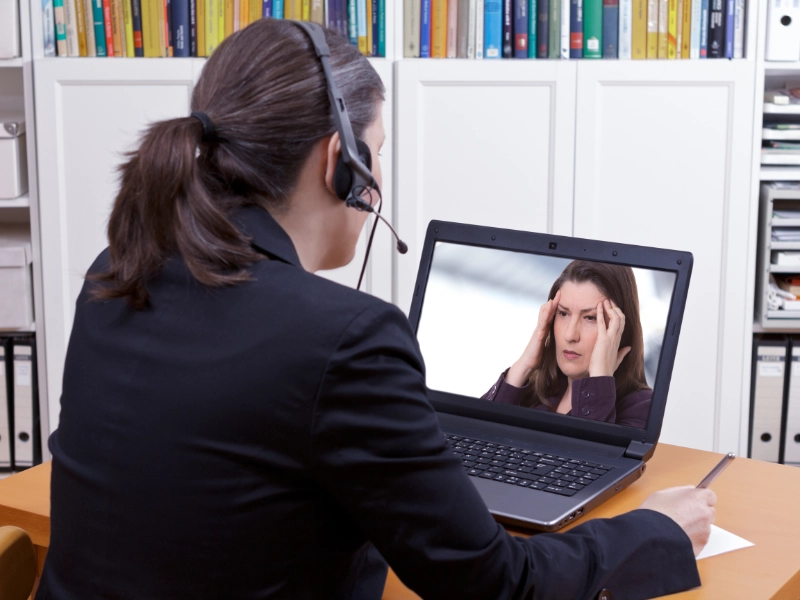
Teletherapy is a way to receive mental health support using technology.
Instead of meeting a therapist in their office, sessions happen over secure video calls, phone calls, or even chat platforms. It’s becoming a popular option for many who need professional help but find in-person visits challenging.
If you’re working through anxiety, depression, trauma, or everyday stress, is a convenient and effective way to connect with licensed professionals who specialize in addressing these issues.
The pandemic reshaped the way we approach healthcare, and mental health services were no exception. Teletherapy has become a vital option, offering reliable care through virtual platforms when traditional therapy wasn’t accessible.
This shift doesn’t just make mental health support more convenient—it’s breaking down barriers like transportation issues, time constraints, and the stigma often attached to in-person sessions.
While it’s not a perfect solution for everyone, teletherapy has proven to be effective and widely beneficial, way of providing care for countless individuals who otherwise might not receive it.
How Does Teletherapy Work?
Teletherapy involves using secure and private communication tools such as video conferencing platforms, phone, or messaging apps. These platforms are HIPAA-compliant to ensure your privacy and confidentiality. Licensed therapists use these tools to talk with clients, listen to their concerns, and work through personalized treatment strategies.
- Video sessions: The most common format, allowing for face-to-face interaction.
- Phone calls: Useful for those without stable internet access.
- Text or chat-based therapy: Often helpful for quick check-ins or ongoing support.
For a deeper dive into the mechanics of teletherapy, check out What Is Teletherapy And How Does It Work?.
Common Services Provided
Teletherapy delivers most of the same benefits as in-person therapy, tailored to meet specific needs. Services include support for:
- Anxiety and stress
- Depression
- Trauma recovery
- Relationship counseling
- Grief and loss
During sessions, therapists use evidence-based approaches like cognitive behavioral therapy (CBT), mindfulness exercises, and solution-focused techniques. According to Healthline, research suggests teletherapy is just as effective as in-person counseling for many mental health concerns.
Why Is Technology Important for Teletherapy?
The tools used in teletherapy go beyond convenience. They make mental health care accessible to people in remote areas, those with mobility challenges, or individuals with packed schedules. With platforms specifically designed for privacy, clients can receive help from the comfort of their home or wherever they feel safe.
For more details on teletherapy’s tools and benefits, visit Medical News Today.
This new way of providing therapy is changing how we think about mental health care. Clients and therapists now connect effortlessly, breaking down traditional barriers that often prevent individuals from seeking help in the first place.
The Benefits of Teletherapy
Teletherapy offers a modern, flexible way to access mental health support. It’s not just a solution for our increasingly digital world—it’s a lifeline for people who face barriers to traditional therapy. Here’s a deeper look at why teletherapy is gaining traction and how it’s transforming mental health care.
Enhanced Accessibility
Teletherapy eliminates numerous obstacles that prevent people from accessing care. For individuals in rural areas where therapists are scarce, virtual sessions open doors that might otherwise be closed. Additionally, those with disabilities or mobility challenges benefit from accessing therapy without the added strain of travel.
Time is another critical factor. Working parents, caregivers, or individuals managing busy schedules often struggle to carve out time for in-person therapy. Teletherapy provides the flexibility to attend sessions during lunch breaks, evenings, or weekends, helping ensure that support is both consistent and attainable.
For a more detailed look at accessibility benefits, check out this resource on the advantages of teletherapy.
Convenience and Cost Savings
One of teletherapy’s most celebrated benefits is convenience. Imagine skipping the commute, finding parking, or arranging childcare just to fit a session into your week. With teletherapy, clients can access care from their living room, bedroom, or even while on vacation.
Cost savings are another factor. Without needing to factor in travel expenses or take significant time off work, therapy becomes more affordable. For therapists themselves, the elimination of office overheads like rent and utilities means they can potentially pass on savings to clients.
This approach not only saves time and money but also reduces the mental load of fitting appointments into already demanding routines. For more insights on the financial perks of teletherapy, you can explore this comprehensive guide.
Improved Privacy
Privacy concerns often keep people from pursuing therapy, as walking into a therapist’s office can feel daunting. Teletherapy removes this hurdle entirely. Sessions take place in the comfort of your home, allowing clients to maintain complete discretion over their mental health journey.
By eliminating public waiting rooms, clients avoid the risk of running into acquaintances or feeling judged. It’s a critical factor for individuals navigating mental health stigmas or stepping into therapy for the first time. This enhanced level of confidentiality has contributed significantly to the appeal of virtual therapy platforms.
Comparable Effectiveness to In-Person Therapy
Numerous studies demonstrate that teletherapy can be just as effective as in-person therapy for addressing various mental health conditions. Research has shown its efficacy in treating depression, anxiety, post-traumatic stress disorder (PTSD), and more. For example, a 2021 study comparing telehealth to traditional therapy revealed no significant differences in symptom improvement for conditions like depression (read the study here).
Further research underscores its success with cognitive behavioral therapy (CBT), a common evidence-based approach in treating emotional and psychological disorders. You can dive deeper into teletherapy’s proven effectiveness via this analysis provided by the American Psychological Association.
This combination of convenience, accessibility, and efficacy not only reshapes how therapy is delivered but also ensures people can now receive meaningful care tailored to their needs.
Challenges and Limitations of Teletherapy
While teletherapy has significantly improved access to mental health care, it comes with certain challenges and limitations. These hurdles can affect both clients and therapists, emphasizing the importance of considering individual needs when opting for virtual therapy.
Technology and Connectivity Issues
Reliable internet access is the backbone of teletherapy, but not everyone has the same level of connectivity. Technical glitches, from unstable video calls to dropped sessions, can interrupt the flow of therapy, making it harder for both parties to stay engaged. For clients in rural areas or those without access to high-speed internet, teletherapy may feel less effective or even unattainable. According to this study on teletherapy challenges, interruptions due to technology can hinder communication and reduce the overall effectiveness of treatment.
For therapists, managing these disruptions often requires patience and flexibility. However, the mental impact of frequent connectivity issues may discourage some clients from committing to therapy altogether. Offering alternatives like phone sessions can help, but they may not fully replace the experience of face-to-face communication.
Concerns About Privacy
Privacy remains a significant concern in teletherapy. Clients share deeply personal information during sessions, and if the platform used isn’t secure or HIPAA-compliant, there’s a risk of breaches or unauthorized access. Individuals might also worry about being overheard at home if they lack a private space to conduct sessions. As highlighted by HHS.gov, clients should avoid using public WiFi and ensure the devices they use for therapy are secure.
Therapists also need to stay vigilant in protecting client confidentiality, from choosing reliable platforms to using encryption tools. Building trust in a virtual environment hinges on addressing these issues transparently and proactively. Without this attention to security, clients may hesitate to open up during sessions, limiting the depth and effectiveness of therapy.
Building Therapeutic Rapport Online
Establishing a strong therapeutic connection is an integral part of therapy, but doing so over a screen presents unique challenges. Nonverbal cues—like body language or subtle facial expressions—are harder to interpret in virtual settings, making it more difficult for therapists to gauge how clients are feeling. Similarly, a client may feel less comfortable opening up when staring at a screen, reducing the relational depth.
Research indicates that relational components like empathy and warmth require intentional effort in teletherapy. According to a guide on therapeutic rapport in telehealth, therapists can use strategies like structured communication and personalized interactions to bridge this gap. Nevertheless, for certain individuals, the digital barrier may always feel limiting when compared to in-person experiences.
Suitability Limitations
Teletherapy’s format may not suit everyone, especially individuals dealing with acute mental health crises or high-risk situations. For example, clients experiencing suicidal ideation or severe psychosis often need immediate, in-person intervention or observation, which virtual sessions cannot provide. Similarly, those without a stable or safe home environment might find it challenging to participate fully in teletherapy.
Conditions requiring specialized interventions, like certain types of trauma therapy or treatments for young children, also may not translate well to a virtual format. While teletherapy is a lifeline for many, its limitations emphasize the need for a case-by-case assessment. Platforms like Verywell Mind suggest that teletherapy should complement, rather than completely replace, traditional care for individuals in specific circumstances.
By understanding and addressing these challenges, clients and therapists alike can weigh the pros and cons of teletherapy to determine if it’s the right fit for their mental health needs.
Who Can Benefit From Teletherapy?
Teletherapy is unlocking access to mental health care for individuals who may have previously struggled to connect with traditional therapy options. Its adaptable format meets the needs of diverse groups, extending support to people facing logistical limitations, packed schedules, or who simply feel more comfortable in virtual spaces. Below, we explore the key individuals who benefit from this innovative form of care.
Clients Facing Geographic or Physical Barriers
For individuals living in rural or underserved areas, access to nearby mental health providers is often scarce. Teletherapy bridges this gap by connecting patients and therapists regardless of distance. Those in remote communities no longer have to endure long drives, unavailable public transportation, or limited local mental health services.
Similarly, individuals with physical disabilities benefit enormously from teletherapy. Navigating inaccessible office buildings or enduring physical discomfort from travel can make in-person therapy impractical. Through teletherapy, these sessions occur in the comfort of home, offering a stress-free environment where care becomes achievable.
For more on how teletherapy improves access to care for marginalized groups, check out this insightful resource on telehealth benefits.
Busy Professionals and Caregivers
Hectic workdays and caregiving responsibilities often leave little room for traditional therapy appointments. Teletherapy solves this problem by allowing professionals to schedule sessions during lunch breaks, before work, or even from a parked car between tasks. With no commute involved, cutting out just 30 minutes of their day becomes feasible.
For caregivers, finding someone to cover their duties—whether it’s looking after children, elderly parents, or both—can be an exhausting and guilt-filled process. Virtual therapy enables these individuals to access care without compromising their commitments at home. A private moment in their own space might be all they need to regain mental clarity.
Learn more about the flexibility of teletherapy for busy individuals through this breakdown of benefits.
College Students and Young Adults
Younger generations are particularly drawn to teletherapy, and it’s easy to see why. This age group has grown up immersed in digital solutions, making virtual therapy feel natural and accessible. With the frequent stresses of academic life—whether it’s finals week, social pressures, or navigating newfound independence—teletherapy offers tailored support at their fingertips.
College students frequently cite barriers like transportation challenges, stigma, or long waitlists when seeking in-person therapy. Virtual counseling addresses these issues head-on. Universities and teletherapy-focused services like BetterMynd also cater directly to student needs, ensuring mental health resources are readily available when they need them most.
For additional support designed with students in mind, visit College Telehealth’s resources.
Each of these groups demonstrates the vast potential of teletherapy to meet people where they are—whether that’s a remote town, a packed schedule, or the complex life stage of early adulthood. By catering to these diverse needs, teletherapy opens a world of possibilities for accessible and impactful mental health care. However, its benefits extend far beyond these examples, offering flexibility and support to anyone who might struggle with conventional therapy models.
How to Choose the Right Teletherapy Provider
Finding the right teletherapy provider is an essential step in ensuring a successful therapeutic journey. With numerous options available, it’s important to consider a few key factors before committing to a provider. Here are some actionable tips to guide you in selecting a reliable and effective teletherapy service.
Check Credentials and Licensing
Your mental health deserves the care of a qualified professional. Always verify that the therapist you’re considering is both licensed and experienced in your area of concern. Licensing ensures that they meet professional standards and are legally allowed to practice.
- Ask about their qualifications and therapy methods. Are they skilled in cognitive behavioral therapy (CBT), trauma-focused therapy, or other approaches that you prefer?
- Confirm their license is valid in your state. Each state has specific requirements for mental health practitioners, and cross-state therapy may require additional certifications.
For an in-depth guide on ensuring your provider is credible, the American Psychological Association offers helpful insights.
Understand Platform Security
Your privacy is not just important—it’s non-negotiable. A secure platform protects your sessions, guaranteeing that your conversations remain confidential.
Consider this checklist when evaluating platform security:
- Does the teletherapy provider use HIPAA-compliant software?
- Are sessions encrypted to prevent unauthorized access?
- Can you ensure that your personal information, such as payment details and session notes, will be stored securely?
Choosing a provider with a proven commitment to privacy will allow you to focus fully on your therapy instead of worrying about data risks. For more details on safeguarding your information, check out this helpful resource.
Evaluate Communication Style and Fit
A successful therapeutic relationship hinges on your connection with the therapist. It’s not just about their qualifications; how they communicate and make you feel also plays a critical role.
- Schedule an introductory session to gauge their communication style. Do they listen actively and address your concerns in ways that resonate with you?
- Notice how comfortable you feel sharing with them. Rapport is a cornerstone of effective therapy; it should feel natural, even online.
- Reflect on their flexibility. Are they responsive to your preferences for video, audio, or text-based sessions?
Finding a therapist who matches your needs and personality takes time, but the effort is worthwhile. Use resources like Verywell Mind’s guide to online therapy services for additional tips on evaluating fit.
Taking these steps ensures that you’re not just selecting a teletherapy provider but laying the foundation for a positive and productive therapeutic experience.
Conclusion
Teletherapy has established itself as an essential and effective form of mental health care. By removing barriers like location, scheduling conflicts, and stigma, it empowers individuals to prioritize their mental well-being on their own terms. Its proven effectiveness, convenience, and accessibility make it a viable option for a wide range of people.
If traditional therapy feels out of reach, consider exploring teletherapy as a transformative step toward better mental health. The opportunity to connect with professional care from the comfort of your own space could be the solution you’ve been seeking. Don’t let obstacles hold you back when help is just a click away.

I am a Licensed Clinical Psychologist who specializes in psychotherapy utilizing EMDR, neurofeedback, and heart rate variability training.


